 Backyard
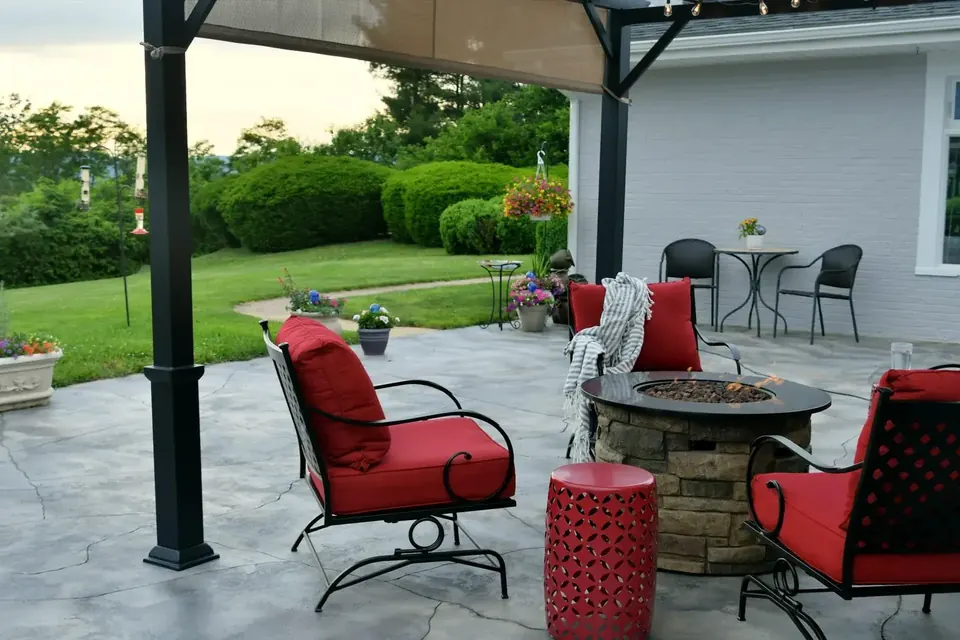
Patios & fire pit areas
Open patios that take full sun and weather. We favor UV-stable systems with enough texture for wet feet, in colors that stay comfortable on hot days.
Free on-site estimate
Tell us about the floor. We'll handle the rest.
Four quick fields. We'll follow up to schedule a visit, look at the slab in person and give you a written price for the system that suits it.
Patio & concrete coatings
Wisconsin patio season is short, so the slab should look good the whole time. We coat patios, porches, walkways and covered slabs with UV-stable, slip-resistant systems that refresh tired concrete.
01Overview
Exterior concrete has a hard life in this climate. It bakes in summer sun, soaks up rain, freezes solid in winter and gets salted whenever it ices over. Over the years that adds up to faded color, surface scaling, stains from leaves and rust, and a general worn-out look that makes a nice backyard feel older than it is.
An exterior concrete coating restores the surface and protects it going forward. Unlike garage coatings, exterior systems must handle direct UV exposure, standing water, temperature extremes and foot traffic in bare feet and wet shoes. That means UV-stable materials, careful texture choices, and attention to drainage so water runs off instead of pooling.
We coat patios, front porches and steps, walkways, covered patios under roof lines, three-season room slabs, and pool decks. Options include decorative flake systems, solid colors and textured finishes. Each one is chosen for how the space is used and how much sun and water it sees.
Front porches and entry steps deserve a special mention. They are often the most visible concrete on the property and the most exposed to winter abuse, from shovels to salt to freeze-thaw cycles. A properly prepared and textured coating can make them look new again while keeping footing secure.
Exterior coatings are not the right fix for every slab, though. Concrete that is heaving, badly cracked from frost movement, or sloping toward the house has problems a coating cannot solve. We will tell you if replacement or mudjacking should come first.
02Spaces
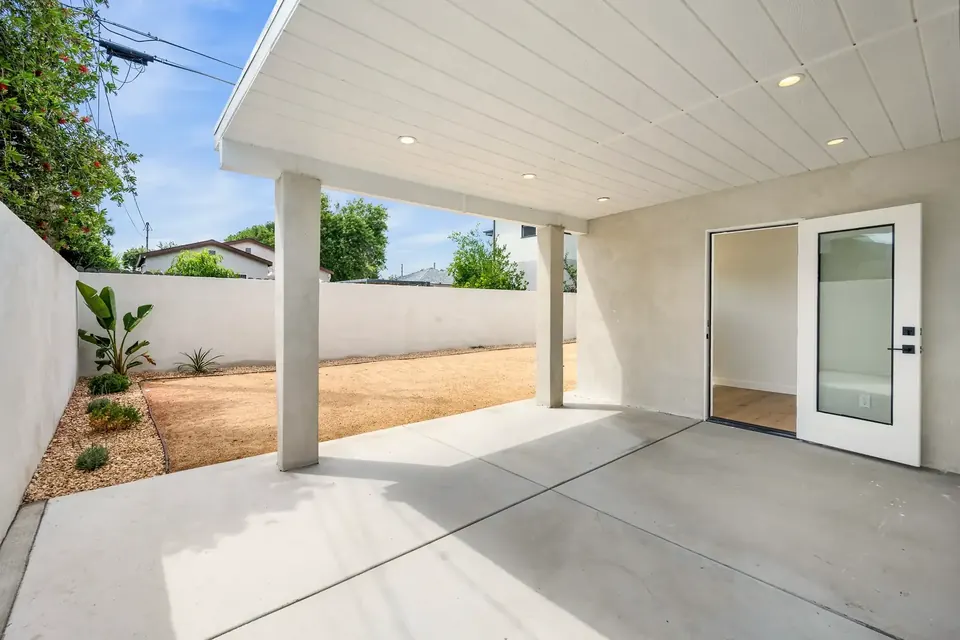
BackyardOpen patios that take full sun and weather. We favor UV-stable systems with enough texture for wet feet, in colors that stay comfortable on hot days.
 Covered
Under a roof, concrete is protected from direct rain but still sees humidity, temperature swings and blown-in snow. Covered slabs are some of the best candidates for decorative finishes.
 Entertaining
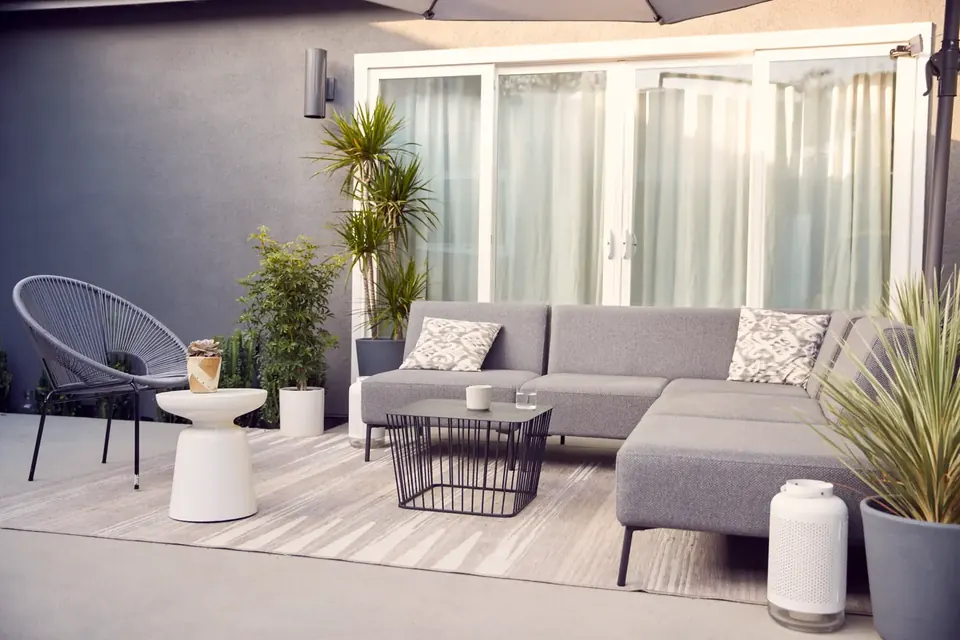
Pool surrounds and lounge spaces need traction and comfort underfoot. We use textured finishes and lighter colors that do not get as hot in summer sun.
03Season & timing
Interior and garage floors can be coated year-round with some planning. Exterior work is different. The slab has to be dry, the temperature has to stay within the product's range through the cure, and rain has to stay away long enough for the coating to set.
In practice, exterior coatings around Menomonee Falls are usually installed from late spring through early fall. May and June, and again in September, often give the best combination of mild temperatures and dry stretches. Midsummer works too, but we may start early in the day to avoid installing on a slab that has been baking in the sun.
If you want your patio ready for summer, reach out in early spring. Fall projects are a good option for protecting concrete before the first salt of the season.
04Benefits
Restores a uniform, finished look to concrete that has faded, stained or been patched over the years.
A sealed surface reduces water absorption, which can help limit freeze-thaw scaling on exposed porches and walkways.
Texture is built into the system so steps and walkways are secure when they are wet with rain or melted snow.
Leaves, pollen, grill grease and spilled drinks wipe or rinse off rather than staining bare concrete.
A clean front porch and walkway makes a strong first impression on guests and potential buyers.
Flake blends and colors can coordinate with siding, stone and landscaping instead of plain gray concrete.
05Installation
We check for heaving, settled sections, drainage problems and existing sealers, and confirm a weather window.
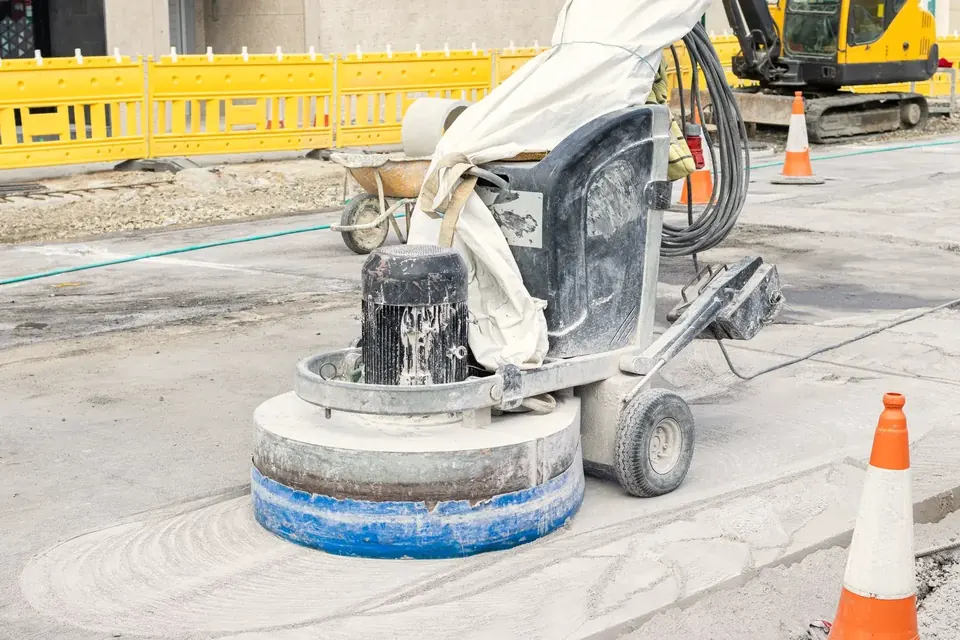
The surface is pressure-washed and mechanically ground to remove sealers, stains and weak surface material.
Cracks, chips and scaled areas are repaired with exterior-rated materials. Badly damaged steps may need resurfacing.
Base coat and flake broadcast or color coat are applied, with attention to edges, steps and transitions.
An exterior-rated topcoat adds UV stability and traction. We protect the area until it has cured.
06Wisconsin considerations
Exterior concrete in Waukesha County faces some of the toughest conditions any coating can see. Here is how we account for them.
Metal shovel blades and snowblower scrapers are hard on any surface. We recommend plastic-edged shovels and avoid finishes that show every scrape.
Rock salt and some deicers are harsh on concrete and coatings. Using sand or gentler deicers on coated surfaces helps them last longer.
Slabs on poorly drained soil can heave in winter. Coatings cannot prevent that, so we look for signs of movement before recommending a system.
Exterior coatings must be UV-stable to avoid yellowing and chalking. We only use products rated for exterior exposure.
07Choosing a finish
Not every outdoor slab needs a full coating. Some only need protection.
Exterior concrete gives you more choices than most people realize, and the right one depends on the condition of the slab and how you want it to look.
A flake system rated for exterior use gives patios and covered porches a finished, stone-like look. The broadcast hides small surface flaws and adds texture. It is our most common recommendation for covered patios, screened porches and three-season rooms, where the coating is shielded from the worst weather but still needs to handle humidity and temperature swings.
Solid colors can freshen a front porch or walkway and coordinate with trim or siding. We add anti-slip aggregate so the surface stays secure. Solid colors show dirt and wear more than flake, so they suit lower-traffic areas or homeowners who like a crisp, uniform look.
When the slab is sound and you are happy with how bare concrete looks, a penetrating sealer may be the better choice. It soaks into the concrete instead of forming a film, reduces water absorption and helps with freeze-thaw scaling, while keeping the look of bare concrete. It is also the option we suggest for driveways.
Slabs that rock, tilt toward the foundation or have large frost-heave cracks need structural attention before any finish. Coating over those problems only hides them for a while. We will point them out and, where appropriate, suggest leveling or replacement first.
08Questions
Outdoor concrete has its own set of concerns. These are the ones we hear each spring.
Ask us directlyDriveways face vehicle traffic, plows, heavy salt and full weather exposure, which is tough on any coating. We generally do not recommend decorative coatings on driveways in this climate. A penetrating sealer is usually a better option there.
We build texture into every exterior system. For steps, pool decks and walkways, we add anti-slip aggregate to the topcoat. Any surface can be slippery when icy, so normal winter caution still applies.
Existing sealers need to be removed so the new coating can bond to the concrete. Grinding and, in some cases, chemical stripping are part of prep for previously sealed slabs.
Dark colors absorb more heat. For patios and pool decks in full sun, we recommend lighter colors and textures that stay more comfortable underfoot.
Minor cracks and surface damage can be repaired before coating. Large cracks from frost heave, sunken sections or slabs sloping toward the house may need leveling or replacement first. We will tell you honestly.
Sweep regularly, rinse with a hose, and wash with mild soap as needed. Avoid pressure washers set too close or too high. In winter, use plastic shovels and gentle deicers.
Yes, and they are some of our favorite projects. These slabs are partly protected from weather but still see big temperature swings. A decorative flake system with a UV-stable topcoat makes them feel like a finished part of the house.
10Free estimate
Spring slots fill fast. Send the details and we will come inspect the slab and suggest the system that fits.